 Dutch
Dutch  English
  French
  German
  Italian
  Portuguese
  Spanish
 Dendera Temple is one of EgyptÔÇÖs most impressive and well-preserved ancient sites, famous for its colorful ceilings, detailed carvings, and the sacred Temple of Hathor dedicated to the goddess of love, music, and joy. Located in Upper Egypt, Dendera Egypt offers a unique historical experience away from the usual tourist routes. This guide explains the Temple of Dendera history, architecture, and important visiting tips. If you are wondering how do I visit the Temple of Dendera, this guide covers the Dendera Temple location, travel options, and the best Dendera Temple complex tours to help you plan an unforgettable Egypt journey. Discover the wonders of Temple Dendera with Book Egypt Travel.
Located in Upper Egypt, Dendera Egypt is one of the most remarkable ancient sites that showcases the beauty of Egypt Dendera history and architecture.
Where is Dendera Temple Egypt Located?
The Dendera Temple location, about 60 km north of Luxor, makes the site an easy and popular day trip for travelers exploring Upper Egypt.
This location makes Dendera Temple Egypt ideal for:
Dendera Temple is located near Qena in Upper Egypt, around 60 km north of Luxor. The Dendera Temple coordinates are approximately 26.1417┬░ N, 32.6711┬░ E, making it easier for travelers to find the site when planning their visit.
DonÔÇÖt just add another stop to your Egypt itinerary make it unforgettable. Book your Dendera Temple tour with Book Egypt Travel today and explore the Temple of Dendera, colorful ceilings, sacred chambers, and HathorÔÇÖs ancient secrets with expert local guidance. Ready to explore beyond the usual activities in Luxor? Book your Dendera day tour today.
A Brief History of Dendera Temple
Dendera has a long religious history that extends far beyond the temple visitors see today. Key moments in its history include:
- Old Kingdom origins: Evidence suggests the site was used as early as the reign of Pepi I.
- Ptolemaic construction: Much of the main Temple of Hathor dates to the Ptolemaic period.
- Roman additions: Roman rulers later expanded and decorated parts of the temple complex.
- Centuries of development: Construction and additions continued over a long period, shaping the temple visitors explore today.
- A blend of traditions: The site combines ancient Egyptian religious beliefs with Greco-Roman artistic and architectural influences.
This long history helps explain the templeÔÇÖs detailed reliefs, astronomical scenes, sacred chambers, and rich religious symbolism.
Temple of Hathor: History and Sacred Significance
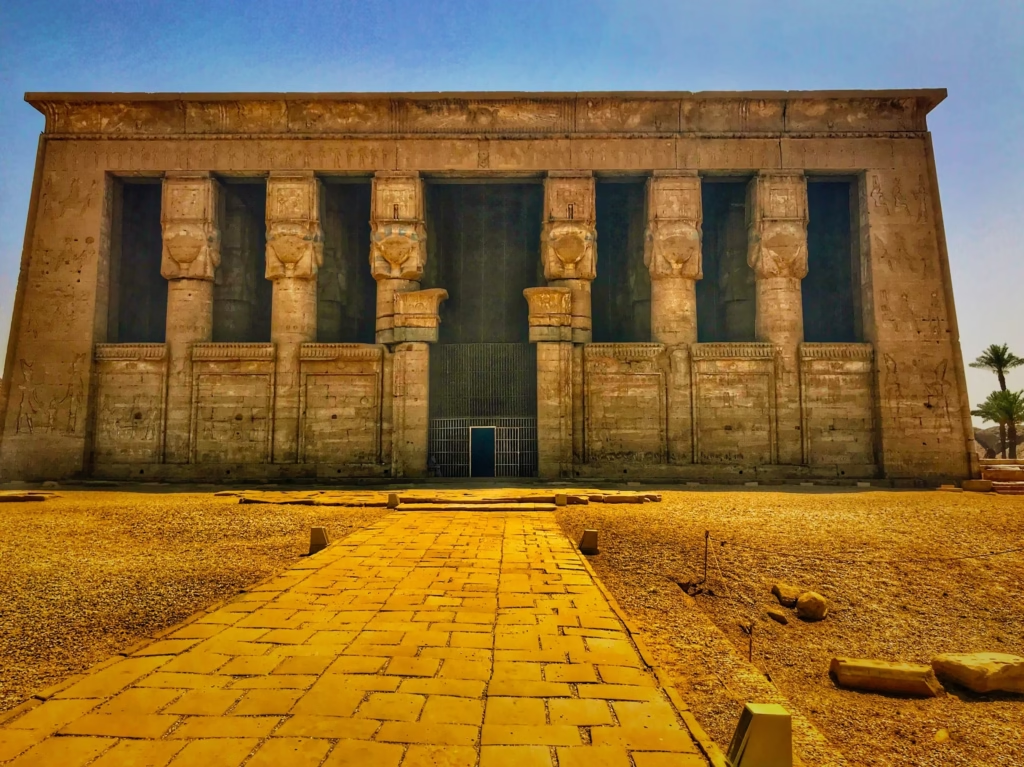
The Temple of Hathor is the heart of the Dendera Temple complex and one of the best-preserved ancient temples in Egypt. Dedicated to Hathor, the goddess of love, music, and joy, the temple reveals centuries of religious symbolism through its colorful ceilings, sacred chambers, and detailed reliefs.
- Built during the Ptolemaic period
- Dedicated to Hathor, goddess of love and music
- Famous for its colorful ceilings and detailed carvings
Unlike many ancient sites, Dendera Temple Egypt still preserves vibrant colors that show how temples once looked in ancient times.
What Makes Dendera Temple Unique?
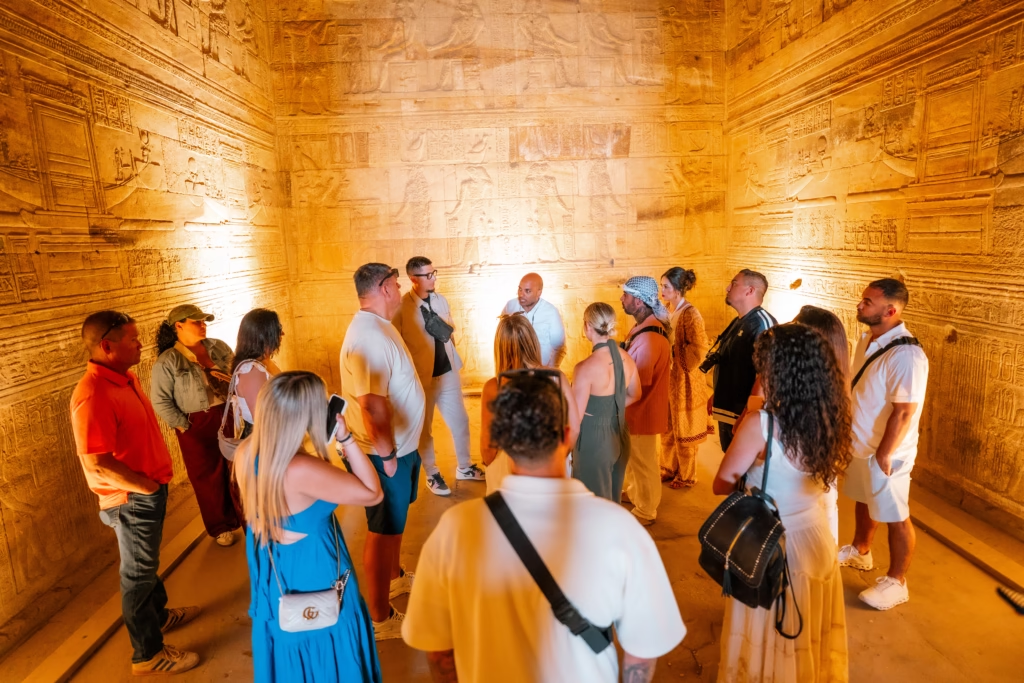
DendDendera stands apart for the remarkable survival of its colors, sacred spaces, and architectural details. Visitors can still explore areas that help reveal how an ancient Egyptian temple functioned beyond its main halls.
- Vivid ceiling artwork with surviving ancient colors
- Hathor-headed columns and richly carved walls
- Sacred chambers and underground crypts
- Rooftop areas offering a different view of the temple complex
Together, these features make Dendera one of the most visually rewarding temples to explore in Upper Egypt.
What to See Inside Dendera Temple Complex
Dendera offers much more than a single temple hall. As you explore the complex, look for these remarkable highlights:
- The Great Hypostyle Hall: A spectacular hall supported by 24 massive columns and decorated with detailed astronomical scenes.
- Hathor-Headed Columns: Look closely at the capitals featuring the distinctive face of Hathor, one of the templeÔÇÖs most recognizable architectural details.
- Sacred Crypts: Underground chambers once used to keep ritual objects and sacred items connected to temple ceremonies.
- The Temple Rooftop: Climb toward the upper areas to see ceremonial staircase reliefs and enjoy a different perspective of the temple complex.
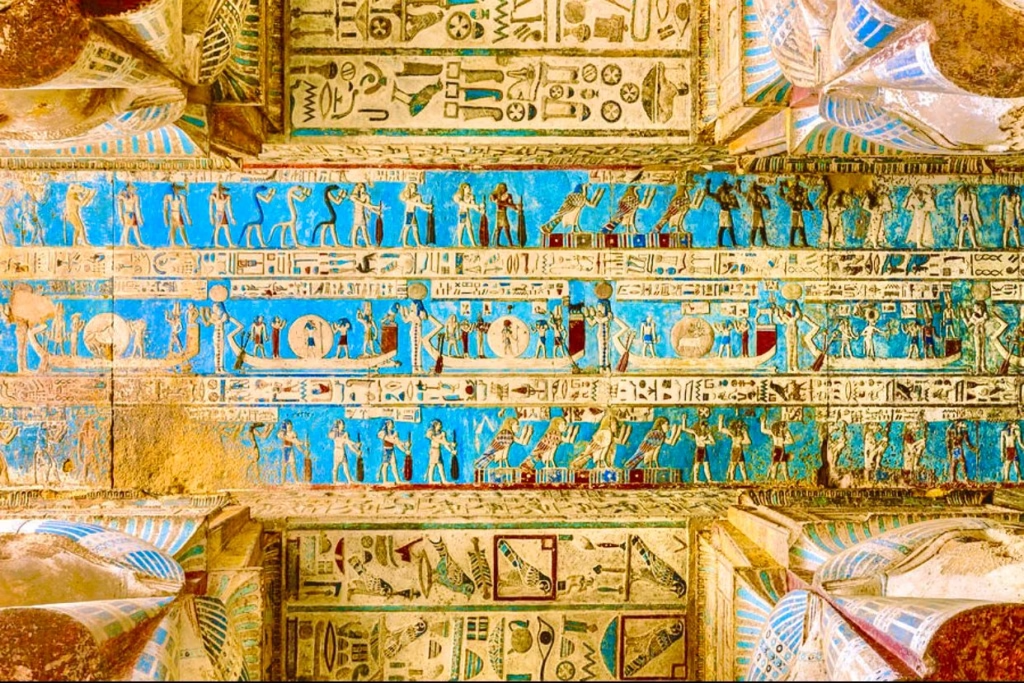
- Astronomical Ceilings: Colorful celestial scenes and detailed carvings reveal the templeÔÇÖs strong connection to astronomy and religious symbolism.
- The Roman Mammisi: Explore the ancient birth house associated with divine birth traditions and later Roman additions to the complex.
Each area reveals a different part of DenderaÔÇÖs religious, artistic, and architectural story, making it worth exploring beyond the main hall.
The Dendera Zodiac and Astronomical Ceiling
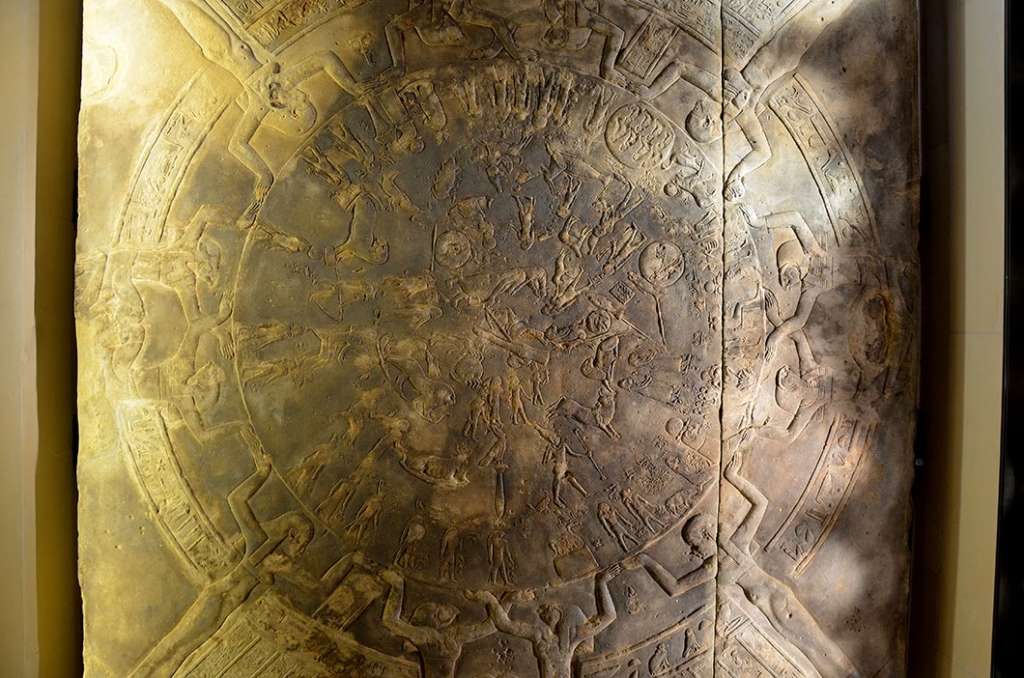
The Dendera Zodiac is one of the templeÔÇÖs most famous astronomical features. Originally located in a rooftop chapel dedicated to Osiris, the circular relief offers a fascinating look at ancient ideas about the sky and celestial cycles.
Key details include:
- Zodiac constellations: The relief features the twelve zodiac constellations alongside other celestial symbols.
- Planets and stars: Astronomical scenes represent planets and important star groups known at the time.
- Celestial events: The wider imagery includes references to solar and lunar phenomena.
- Original Zodiac in the Louvre: The original circular Dendera Zodiac is now displayed at the Louvre Museum in Paris.
- Astronomical ceiling scenes: Visitors at Dendera can still explore remarkable celestial artwork throughout the Temple of Hathor.
These astronomical details reveal how religion, time, and observations of the sky were closely connected within the templeÔÇÖs sacred world
Architecture and Sacred Symbolism at Dendera Temple
The architecture of Dendera was designed to guide visitors from monumental halls toward increasingly sacred spaces. Its decoration also reflects a close connection between religion, nature, and the ancient Egyptian understanding of the cosmos.
Key symbolic details include:
- Lower wall scenes: Plant and natural motifs connect the temple with the earthly world.
- Ritual reliefs: Wall carvings depict offerings, ceremonies, and interactions between rulers and deities.
- Celestial ceilings: Stars and astronomical imagery represent the sky and cosmic order.
- Sacred inner chambers: The deeper rooms of the temple were closely connected to rituals and the worship of Hathor.
Together, the templeÔÇÖs architecture and decoration reveal a sacred journey from the human world toward the divine.
Top Activities in Luxor to Combine With a Dendera Temple Visit
A visit to Dendera can easily be combined with other activities in Luxor for a fuller Upper Egypt experience.
- Explore Karnak Temple and Luxor Temple to see the cityÔÇÖs most iconic ancient sites.
- Take a sunrise hot air balloon ride over the West Bank.
- Visit the Valley of the Kings and nearby royal tombs.
- Enjoy a relaxed felucca trip on the Nile at sunset.
Planning your Luxor itinerary? Add a Dendera day tour and explore more of Upper Egypt beyond the cityÔÇÖs famous landmarks.
How do i visit the temple of dendera?
If you are wondering how do I visit the Temple of Dendera, this ancient site is easy to reach from Luxor by private car with a professional guide. Located in Upper Egypt, Dendera Egypt is home to the famous Temple of Dendera, one of the best-preserved ancient Egyptian temples dedicated to the goddess Hathor. Travelers can explore the Dendera Temple location and visit this remarkable temple complex as part of a customized Egypt itinerary.
You can visit Dendera Temple through:
- A private day trip from Luxor with comfortable transportation and expert guidance.
- Dendera Temple complex tours combined with Abydos Temple for a complete historical experience.
- A private Egypt tour that includes Temple Dendera and other Upper Egypt attractions.
- A customized itinerary covering Egypt Dendera highlights and nearby ancient sites.
With its impressive reliefs, astronomical ceiling, and unique history, the Temple of Dendera is a must-visit destination for travelers exploring EgyptÔÇÖs ancient wonders.
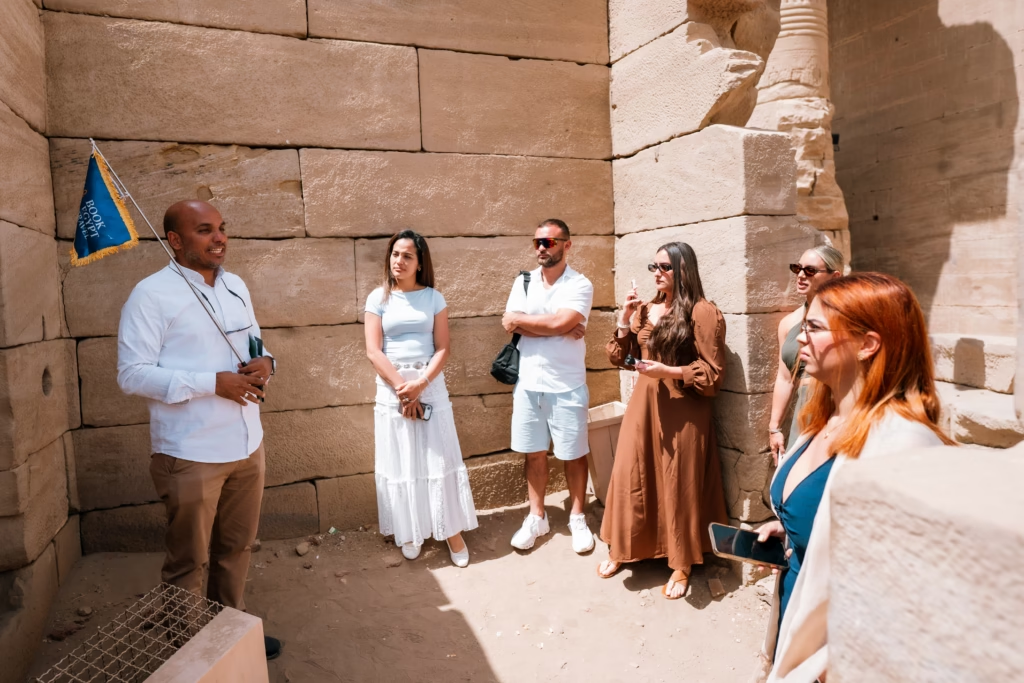
At Book Egypt Travel, we recommend a private guided day trip from Luxor for comfortable transportation, flexible timing, and expert local insight into Dendera TempleÔÇÖs history and remarkable reliefs. Ready to explore? Book your private Dendera day tour and experience the Temple of Hathor with a knowledgeable local guide.
Practical Tips for Visiting Dendera Temple
A little planning can make your Dendera visit more comfortable and help you explore the temple without rushing. Keep these practical tips in mind:
Planning a wider Egypt itinerary? Learn how to plan a trip to Egypt before organizing your route through Luxor and Upper Egypt.
- Start early: Plan an early departure from Luxor to give yourself more time to explore the temple complex.
- Wear comfortable shoes: You may spend time walking through halls, stairways, and different areas of the temple.
- Bring sun protection: Carry water, sunglasses, and sun protection, especially during warmer months.
- Allow time to explore: Do not rush through the main hall. Leave time for the ceilings, sacred chambers, crypts, and upper areas.
- Check current ticket details: Opening information and ticket options can change, so review the latest official details before your visit.
- Ask about panorama and crypt access: The official monument page currently lists the temple panorama and serdab as separate ticket options.
- Plan longer trips carefully: Combining Dendera with Abydos can create a fuller Upper Egypt experience, but it usually requires a longer day itinerary.
Good preparation allows you to focus less on logistics and more on the history, artwork, and remarkable details of the Temple of Hathor.
Final Thoughts on Visiting Dendera Temple
Dendera offers a remarkable journey through ancient Egyptian religion, astronomy, art, and architecture. From the colorful astronomical ceilings and sacred crypts to the Temple of Hathor and rooftop views, every part of the complex reveals a different story.
For travelers exploring Upper Egypt, a visit to Dendera is a chance to go beyond the usual routes and discover one of the regionÔÇÖs most fascinating ancient sites.
Ready to experience Dendera for yourself? Book your private Dendera day tour with Book Egypt Travel and explore the temple with expert local guidance.
Frequently Asked Questions
Where is Dendera Temple located?
Dendera Temple is located near Qena in Upper Egypt, about 60 km north of Luxor. The Dendera Temple location makes it a convenient day trip for travelers staying in Luxor and exploring nearby ancient sites.
How far is Dendera Temple from Luxor?
Dendera Temple is about 60 km north of Luxor, making it a convenient option for a day trip. Travel time can vary depending on transportation and road conditions, but many visitors choose a private car or guided tour for a smoother journey.
Who was Dendera Temple dedicated to?
Dendera Temple was primarily dedicated to Hathor, one of ancient EgyptÔÇÖs most important goddesses. She was associated with music, joy, dance, motherhood, and the sky, while Dendera served as one of her main cult centers. Many of the templeÔÇÖs columns, reliefs, and sacred scenes reflect her worship and religious significance.
Can I visit Dendera Temple from Luxor?
Yes. Dendera Temple is a popular day trip from Luxor and can be reached by private car or guided tour. A private Dendera day tour offers flexible timing, comfortable transportation, and more time to explore the Temple of Hathor, crypts, and astronomical ceilings. Book your trip with Book Egypt Travel for a smooth journey from Luxor.