 Dutch
Dutch  English
  French
  German
  Italian
  Portuguese
  Spanish
 Imagine standing before a monument that appears to rise naturally from the golden cliffs of Luxor, where elegant terraces stretch toward the sky and every stone whispers stories that have survived for more than 3,500 years. Temple of Hatshepsut Luxor is far more than an archaeological site ,it's a breathtaking masterpiece that celebrates one of Ancient Egypt's most remarkable rulers. Whether you're fascinated by history, architecture, or unforgettable travel experiences, this extraordinary temple deserves a place at the top of your Egypt bucket list. If you're planning your adventure with Book Egypt Travel, you'll discover that visiting Hatshepsut Temple is not simply another stop on your itinerary,it's an unforgettable journey into the heart of one of the world's greatest civilizations.
| Feature | Details |
| Location | Deir el-Bahari, Luxor |
| Built By | Queen Hatshepsut |
| Architect | Senenmut |
| Period | 18th Dynasty |
| Built Around | 1479ÔÇô1458 BCE |
| UNESCO Site | Yes |
| Visit Duration | 1.5ÔÇô2 Hours |
Why Hatshepsut Temple Is One of Egypt's Greatest Wonders
- Egypt is home to countless iconic landmarks, from the Great Pyramids of Giza to the majestic temples of Abu Simbel. Yet many experienced travelers consider Hatshepsut Temple one of the country's most impressive hidden treasures.
- Unlike many temples dedicated solely to worship, this spectacular monument combines religion, royal power, political ambition, and architectural innovation into a single breathtaking masterpiece. Its unique design blends perfectly with the towering limestone cliffs behind it, creating one of the most photogenic landscapes in Egypt.
- Every year, millions of visitors travel to Luxor to admire this extraordinary temple, and many choose customized itineraries through BookEgyptTravel to ensure they experience not only the temple itself but also the incredible historical sites surrounding it.
Why Travelers Love Hatshepsut Temple
- Incredible cliffside architecture
- Fascinating history of Egypt's most powerful female pharaoh
- Beautiful relief carvings that remain remarkably preserved
- Stunning mountain backdrop
- Rich mythology and religious significance
- Easy access from Luxor
- Outstanding photography opportunities
Whether you're a history enthusiast or simply looking for unforgettable vacation memories, Hatshepsut Temple offers an experience unlike anywhere else in Egypt.
Where Is Hatshepsut Temple Located?
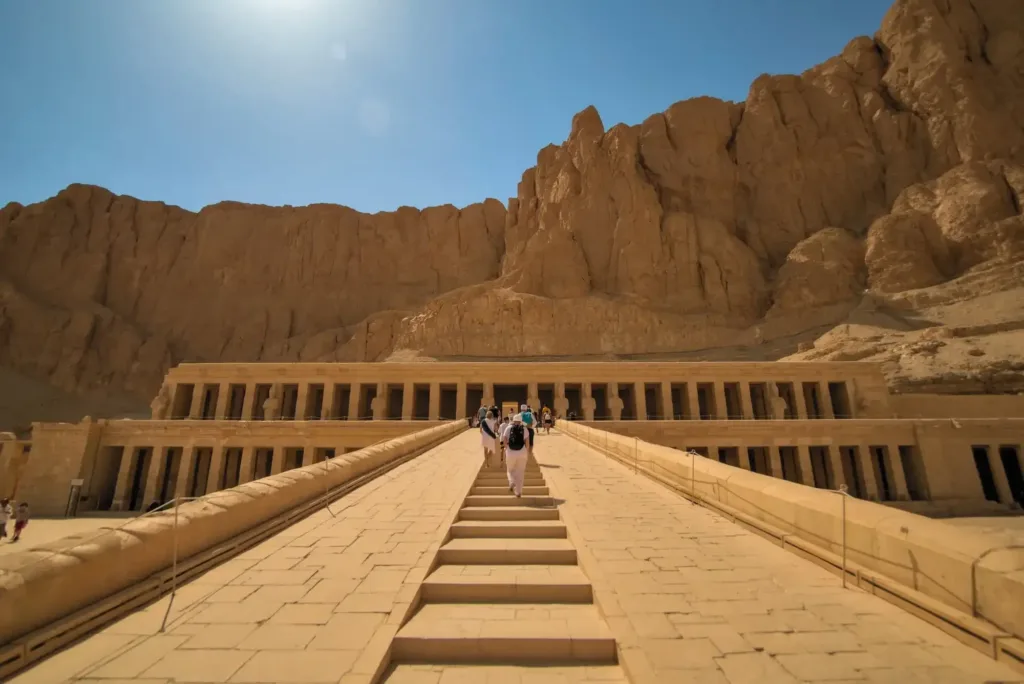
Hatshepsut Temple is located on the West Bank of Luxor, one of the world's richest archaeological regions.
The temple stands beneath the dramatic cliffs of Deir el-Bahari, directly opposite the modern city of Luxor on the eastern side of the Nile River.
This location was carefully selected by Ancient Egyptian architects because the surrounding mountains symbolized eternity and rebirth , perfect themes for a royal mortuary temple.
Nearby attractions include:
- Valley of the Kings
- Valley of the Queens
- Colossi of Memnon
- Medinet Habu Temple
- Ramesseum
Many visitors explore these remarkable landmarks together through carefully planned tours offered by Book Egypt Travel, allowing travelers to experience the highlights of Luxor in a seamless and comfortable way.
Who Was Queen Hatshepsut?
- To truly appreciate the temple, you first need to understand the extraordinary woman who built it.
- Hatshepsut was one of Ancient Egypt's most successful rulers and one of the few women to reign as Pharaoh.
- She ruled during the 18th Dynasty around 1479ÔÇô1458 BCE, a period considered one of the golden ages of Ancient Egypt.
- Although she initially served as regent for her young stepson, Thutmose III, Hatshepsut eventually declared herself Pharaoh.
- This was an extraordinary decision because Egyptian kingship was traditionally reserved for men.
- Instead of ruling quietly behind the scenes, Hatshepsut embraced full royal authority.
She adopted:
- Royal regalia
- Traditional pharaoh titles
- Ceremonial beard
- Male royal imagery in official monuments
Her reign became known for peace, prosperity, ambitious construction projects, and international trade rather than military conquest.
Her achievements transformed Egypt into one of the wealthiest civilizations of its time.
Why Did Hatshepsut Build This Temple?
Like many Egyptian rulers, Hatshepsut wanted a magnificent mortuary temple where priests could perform rituals ensuring her eternal life after death.
However, her vision extended far beyond a traditional funerary monument.
She wanted the temple to:
- Celebrate her divine birth
- Legitimize her right to rule
- Honor the god Amun
- Display Egypt's wealth
- Record her greatest accomplishments
- Leave a legacy unlike any ruler before her
The result became one of the greatest architectural achievements in Egyptian Hatshepsut Temple history.
Today, historians continue to study the temple because its reliefs provide invaluable insight into politics, religion, trade, and daily life during Egypt's New Kingdom.
The Brilliant Architect Behind the Masterpiece
No discussion of Hatshepsut Temple would be complete without mentioning Senenmut, the brilliant architect believed to have designed much of the complex.
Senenmut was far more than an architect.
He served as:
- Royal advisor
- Government official
- Tutor to Princess Neferure
- Overseer of royal construction
His innovative vision transformed the steep cliffs of Deir el-Bahari into an architectural wonder that still amazes engineers and historians today.
Instead of constructing a traditional temple enclosed by massive walls, Senenmut created three enormous terraces connected by elegant ramps.
This revolutionary design produced a sense of harmony between human craftsmanship and the natural landscape.
Even after thousands of years, modern architects continue to admire the temple's remarkable proportions and visual balance.
The Stunning Architecture of Hatshepsut Temple
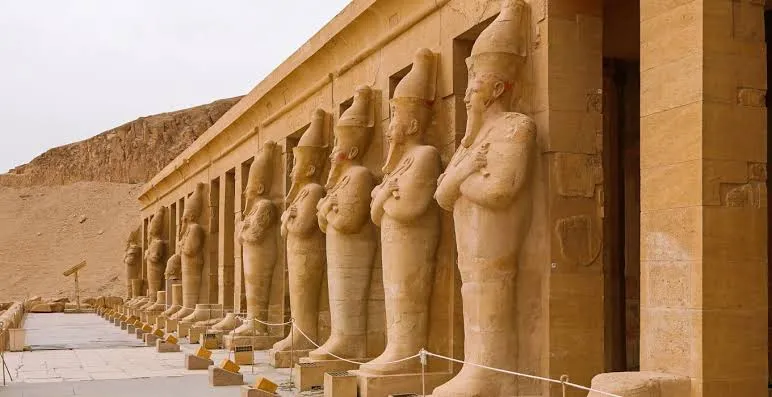
One glance at Hatshepsut Temple immediately reveals why it is considered one of Ancient Egypt's finest architectural achievements.
Unlike the colossal temples at Karnak or Luxor, this monument emphasizes elegance, symmetry, and integration with nature.
The temple consists of:
Three Monumental Terraces
- Each terrace rises above the previous one, connected by broad ceremonial ramps.
- Visitors gradually ascend toward the sanctuary, symbolizing a spiritual journey from the earthly world to the divine realm.
- This carefully planned progression creates an unforgettable visual experience.
Grand Colonnades
- Rows of graceful columns line each terrace.
- Rather than overwhelming visitors with massive stone structures, these colonnades create rhythm, balance, and openness.
- Morning sunlight casts dramatic shadows across the columns, making sunrise one of the best times for photography.
If you're planning a photography-focused Egypt itinerary, Book Egypt Travel can help you schedule an early morning visit when the lighting is at its most spectacular.
Natural Integration with the Cliffs
- Perhaps the temple's greatest architectural achievement is how seamlessly it blends into the towering limestone cliffs behind it.
- Rather than competing with nature, the monument becomes part of it.
- This harmony reflects Ancient Egyptian beliefs that architecture should exist in balance with the natural and divine worlds.
- Even modern architects describe this relationship between landscape and design as centuries ahead of its time.
10 Amazing Facts About Hatshepsut Temple
1. It is over 3,500 years old.
Built during Egypt's 18th Dynasty, Hatshepsut Temple has stood for more than three millennia, making it one of the world's oldest surviving architectural masterpieces.
2. It was built for Egypt's most successful female pharaoh.
Queen Hatshepsut ruled Egypt as Pharaoh and commissioned this extraordinary mortuary temple to celebrate her reign and legacy.
3. The temple blends perfectly with the surrounding cliffs.
Its unique terraced design appears to rise naturally from the limestone cliffs of Deir el-Bahari, creating one of Egypt's most iconic landscapes.
4. Senenmut designed one of Ancient Egypt's greatest architectural masterpieces.
The temple's innovative layout is credited to Senenmut, one of the most brilliant architects of the New Kingdom.
5. The famous Punt Expedition is carved on its walls.
Some of the temple's most remarkable reliefs depict Hatshepsut's successful trading expedition to the mysterious Land of Punt.
6. It celebrates peace instead of military victories.
Unlike many royal monuments, Hatshepsut Temple highlights prosperity, diplomacy, trade, and religious devotion rather than warfare.
7. It forms part of a UNESCO World Heritage Site.
The temple belongs to the Ancient Thebes with its Necropolis, recognized by UNESCO for its outstanding historical significance.
8. Many statues of Hatshepsut were deliberately destroyed.
After her death, many of her statues and inscriptions were damaged, likely for political reasons during later reigns.
9. It is one of the most photographed temples in Egypt.
The dramatic terraces, towering cliffs, and changing morning light make it a favorite destination for photographers from around the world.
10. It remains one of Luxor's top attractions today.
Every year, visitors from across the globe come to admire its history, architecture, and breathtaking scenery
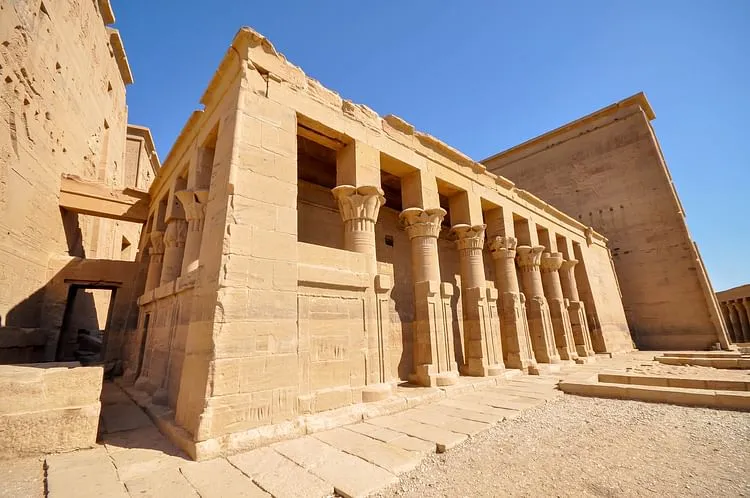
Best Time to Visit Hatshepsut Temple
- Although the temple is spectacular throughout the year, choosing the right time can make your visit even more memorable.
- The ideal months are from October through April, when Luxor enjoys pleasant temperatures and comfortable sightseeing conditions.
- Early morning is widely regarded as the best time of day to visit. The soft golden light enhances the temple's architecture, the crowds are smaller, and the cooler temperatures make exploring the terraces far more enjoyable.
- If you're planning a multi-day journey through Upper Egypt, Book Egypt Travel can help you arrange an itinerary that combines Hatshepsut Temple with nearby landmarks at the most convenient times, ensuring a smoother and more rewarding experience.
Don't just visit Luxor ,experience it like a true explorer. With Book Egypt Travel, you can build a personalized itinerary that lets you enjoy Hatshepsut Temple, the Valley of the Kings, and other iconic sites without feeling rushed.
How to Visit Hatshepsut Temple
Planning your visit to Hatshepsut Temple is relatively straightforward, but a little preparation can make the experience far more enjoyable. Since the temple is one of Luxor's most visited attractions, arriving early and having a well-organized itinerary will allow you to appreciate its beauty without rushing.
The temple is located on Luxor's West Bank, approximately a 20-minute drive from the city center. Most travelers combine it with other famous archaeological sites in a single day, making transportation and timing especially important.
Hatshepsut Temple opening hours & Visitor Information 
| Information | Details |
| Opening Hours | 6:00 AM ÔÇô 5:00 PM* |
| Recommended Visit | Early Morning |
| Average Visit | 90ÔÇô120 minutes |
| Camera | Allowed |
| Guide | Recommended |
| Best Time to Visit | tOctober ÔÇô April |
Booking your Luxor tour with Book Egypt Travel ensures you receive the latest visitor information and enjoy a smooth, well-planned experience.
If you're visiting Egypt for the first time, planning your trip through Book Egypt Travel can simplify everything from transportation to guided tours, allowing you to focus on enjoying the history rather than worrying about logistics.
Hatshepsut Temple Tickets
You can buy Hatshepsut Temple tickets at the entrance or as part of a guided Luxor tour. As ticket prices may vary, be sure to check the latest rates before your visit. Booking with Book Egypt Travel offers a convenient way to explore the temple, with transportation, expert guides, and visits to nearby attractions included.
How Much Time Should You Spend Here?
Many visitors underestimate the size and significance of Hatshepsut Temple.
While some tours allow only 30 to 45 minutes, history lovers often spend between 1.5 and 2 hours exploring the terraces, chapels, reliefs, and panoramic viewpoints.
If photography is one of your priorities, you may want even longer.
Take time to:
- Walk each terrace slowly.
- Examine the famous Punt Expedition reliefs.
- Visit the Chapel of Hathor.
- Explore the Chapel of Anubis.
- Admire the Sanctuary of Amun.
- Enjoy the spectacular mountain backdrop.
- Capture different lighting conditions throughout the morning.
The more time you spend here, the more details you'll discover.
What Should You Wear?
Luxor enjoys sunshine throughout most of the year, especially during the warmer months.
Comfortable clothing is highly recommended.
Consider bringing:
- Comfortable walking shoes
- A wide-brimmed hat
- Sunglasses
- Sunscreen
- Plenty of water
- A lightweight camera bag
During winter mornings, a light jacket may also be useful before temperatures rise later in the day.
Whether you're interested in Hatshepsut Temple history or planning your visit to the Temple of Hatshepsut Luxor, Book Egypt Travel makes your trip easy. Find the latest Hatshepsut Temple tickets and opening hours, then book a guided tour to experience one of Egypt's most iconic landmarks.
Photography Tips for Hatshepsut Temple
If there's one place in Egypt where every angle looks like a postcard, it's Hatshepsut Temple.
Professional photographers and casual travelers alike are amazed by the balance between the temple's clean geometric lines and the dramatic cliffs rising behind it.
Best Photography Locations
- The Main Forecourt
This area offers a full panoramic view of the temple's three magnificent terraces.
- The Central Ramp
Standing here creates perfectly symmetrical photographs that showcase the temple's iconic design.
- Upper Terrace
From the highest level, you'll enjoy sweeping views across the surrounding mountains and the West Bank.
- The Colonnades
The repeating columns create beautiful leading lines, particularly during the early morning when sunlight streams through the passageways.
- Best Time for Photos
Golden hour shortly after sunrise is ideal.
The soft light enhances the warm limestone colors while minimizing harsh shadows.
By arriving early with Book Egypt Travel, you'll often enjoy quieter surroundings, making it easier to capture stunning photos before larger tour groups arrive.
Looking for Instagram-worthy moments mixed with unforgettable history? Let Book Egypt Travel create a Luxor itinerary that gives you plenty of time to experience -and photograph ,Egypt's most spectacular landmarks.
Attractions Near Hatshepsut Temple
One of the greatest advantages of visiting Hatshepsut Temple is its location among several of Ancient Egypt's most famous monuments.
Rather than making a separate trip for each attraction, many travelers combine them into one unforgettable day.
Valley of the Kings
- Only a short drive away lies the legendary Valley of the Kings, where dozens of pharaohsÔÇöincluding Tutankhamun, were buried in elaborately decorated tombs.
- The colorful wall paintings found inside these tombs remain among the finest examples of Ancient Egyptian art.
Colossi of Memnon
- These two enormous stone statues have stood guard over Luxor's West Bank for more than 3,000 years.
- Although all that remains of the original temple behind them are these colossal figures, they continue to impress visitors with their scale and historical significance.
Medinet Habu Temple
- Often overlooked by tourists, Medinet Habu is one of Luxor's best-preserved temples.
- Its towering walls, colorful reliefs, and relatively smaller crowds make it an excellent addition to your itinerary.
The Ramesseum
- Built by Ramses II, this magnificent mortuary temple once rivaled the greatest monuments of Ancient Egypt.
- Today, visitors can still admire its impressive columns, statues, and beautifully carved inscriptions.
Karnak Temple Complex
- Located across the Nile on Luxor's East Bank, Karnak is the largest religious complex ever constructed.
- Its gigantic columns, sacred lake, obelisks, and massive hypostyle hall offer an entirely different experience from Hatshepsut Temple.
- Many visitors choose to explore Karnak in the afternoon after spending the morning on the West Bank.
Luxor Temple
- Unlike many temples that have remained isolated over time, Luxor Temple became woven into the fabric of the modern city.
- Its illuminated evening atmosphere creates one of the most magical experiences in Egypt.
- Planning these landmarks together through Book Egypt Travel allows you to enjoy Luxor's greatest treasures in a logical and comfortable order.
Whether you're planning a full Egypt vacation, a Luxor Day Tour, or a Shore Excursion from your cruise, Book Egypt Travel has the perfect itinerary for you. Explore Hatshepsut Temple and Egypt's top attractions with expert guides, comfortable transportation, and unforgettable experiences.

Hatshepsut Temple vs. Other Famous Egyptian Temples
Every ancient temple in Egypt tells a unique story.
Here's how Hatshepsut Temple compares with some of the country's most iconic monuments.
| Temple | What Makes It Unique |
| Hatshepsut Temple | Elegant terraced architecture, female pharaoh, dramatic cliff backdrop |
| Karnak Temple | Largest religious complex in Ancient Egypt |
| Luxor Temple | Beautifully illuminated and located in the heart of modern Luxor |
| Abu Simbel | Massive rock-cut temples built by Ramses II |
| Edfu Temple | Best-preserved temple dedicated to Horus |
| Philae Temple | Romantic island setting dedicated to Isis |
Each temple represents a different chapter of Egyptian civilization, but Hatshepsut Temple stands apart because of its harmonious architecture and the extraordinary story of the woman who commissioned it.
Why Historians Still Study Hatshepsut Temple
Hatshepsut Temple continues to attract archaeologists, architects, historians, and Egyptologists from around the world.
It offers valuable insights into:
- Ancient engineering techniques
- Political propaganda
- Female leadership in antiquity
- International trade
- Religious ceremonies
- Art and symbolism
- Construction methods
- Royal succession
New discoveries continue to emerge as restoration work progresses, proving that this remarkable monument still has much to teach us.
Hidden Details Many Visitors Miss
Even experienced travelers sometimes overlook fascinating features hidden throughout the temple.
Look closely and you'll notice:
- Intricate carvings inside lesser-known chapels.
- Subtle differences between early and later reliefs.
- Chisel marks left by ancient craftsmen.
- Evidence of erased royal inscriptions.
- Traces of original paint on selected walls.
- Carefully aligned architectural perspectives that frame the surrounding cliffs.
These small details transform a simple visit into a much richer historical experience.
Knowledgeable guides from Book Egypt Travel can point out many of these hidden features, helping you appreciate the temple beyond its obvious beauty.
Is Hatshepsut Temple Worth Visiting?
- Without questionÔÇöyes.
- Whether you're an architecture enthusiast, a history lover, a photographer, or simply someone looking to experience one of the world's greatest civilizations, Hatshepsut Temple delivers an unforgettable experience.
- It isn't just another stop on a sightseeing tour.
- It's a place where political ambition, artistic brilliance, religious devotion, and natural beauty come together in perfect harmony.
- Standing before its towering terraces, it's easy to understand why so many travelers describe it as one of the highlights of their entire journey through Egypt.
Make your visit truly memorable by exploring Hatshepsut Temple with Book Egypt Travel. A thoughtfully planned itinerary can help you uncover the stories behind every terrace, relief, and sanctuary while making the most of your time in Luxor.
Conclusion: A Timeless Monument That Continues to Inspire the World
Hatshepsut Temple is one of Egypt's most remarkable landmarks, combining breathtaking architecture, rich history, and the inspiring legacy of Queen Hatshepsut. Whether you're passionate about archaeology, photography, or simply exploring the wonders of Ancient Egypt, this iconic temple is an essential stop on any Luxor itinerary.
Ready to experience Hatshepsut Temple for yourself? Book your Luxor tour with Book Egypt Travel and discover the Valley of the Kings, Karnak Temple, and other world-famous attractions with expertly planned itineraries and professional local guides. Start planning your unforgettable Egypt adventure today.
Frequently Asked Questions (FAQ)
1. What is Hatshepsut Temple?
Hatshepsut Temple, also known as the Mortuary Temple of Hatshepsut Luxor, is one of Ancient Egypt's most famous monuments. Located at Deir el-Bahari near Luxor, it was built during the 18th Dynasty to honor Queen Hatshepsut and the god Amun.
2. Where is Hatshepsut Temple located?
The temple is situated on Luxor's West Bank at Deir el-Bahari, surrounded by dramatic limestone cliffs and close to the Valley of the Kings.
3. Who built Hatshepsut Temple?
The temple was commissioned by Queen Hatshepsut, one of Ancient Egypt's most successful female pharaohs, and is believed to have been designed by her trusted official and architect, Senenmut.
4. Why is Hatshepsut Temple famous?
It is renowned for its unique terraced architecture, spectacular cliffside location, detailed historical reliefs, and its association with one of Egypt's most influential female rulers.
5. Why did Queen Hatshepsut build the temple?
The temple served as her mortuary temple, where rituals were performed to honor her after death. It also celebrated her achievements, reinforced her legitimacy as pharaoh, and paid tribute to the god Amun.
6. How old is Hatshepsut Temple?
The temple is more than 3,500 years old, dating back to the 15th century BCE during Egypt's New Kingdom.
7. What makes the architecture unique?
Unlike traditional Egyptian temples, Hatshepsut Temple features three elegant terraces connected by long ramps, blending harmoniously into the surrounding cliffs of Deir el-Bahari.
8. What is the Land of Punt relief?
One of the temple's most famous carvings depicts Queen Hatshepsut's successful trading expedition to the mysterious Land of Punt, showcasing exotic goods, ships, plants, and diplomatic relations.
9. Can you go inside Hatshepsut Temple?
Yes. Visitors can explore many sections of the temple, including terraces, courtyards, chapels, and sanctuaries while admiring its remarkable carvings and architecture.
10. How long does a visit take?
Most visitors spend between 90 minutes and two hours, depending on their interest in history, photography, and guided exploration.
11. What is the best time to visit Hatshepsut Temple?
The best months are from October to April, while early morning offers cooler temperatures, softer lighting, and fewer crowds.
12. Is Hatshepsut Temple suitable for families?
Absolutely. Families, history enthusiasts, photographers, and first-time visitors alike can enjoy the temple thanks to its open layout and fascinating stories.
13. What attractions are close to Hatshepsut Temple?
Nearby highlights include:
- Valley of the Kings
- Valley of the Queens
- Karnak Temple
- Luxor Temple
- Colossi of Memnon
- Medinet Habu
- The Ramesseum
Many travelers combine these landmarks into one itinerary with Book Egypt Travel for a comprehensive Luxor experience.
14. Why were Hatshepsut's statues destroyed?
After her death, many of her statues and inscriptions were intentionally damaged, likely due to political reasons related to royal succession and later efforts to reinforce traditional male kingship.
15. Is Hatshepsut Temple a UNESCO World Heritage Site?
Yes. Hatshepsut Temple forms part of the Ancient Thebes with its Necropolis, a UNESCO World Heritage Site recognized for its outstanding cultural and historical significance.
16. Is Hatshepsut Temple worth visiting?
Without a doubt. It is considered one of the most beautiful and historically significant temples in Egypt, offering visitors an unforgettable combination of architecture, history, culture, and breathtaking scenery.
17. How can I plan the perfect visit to Hatshepsut Temple?
The easiest way is to book a professionally organized Luxor itinerary with Book Egypt Travel. A well-planned tour helps you explore Hatshepsut Temple together with nearby attractions while learning the fascinating history behind each remarkable site.